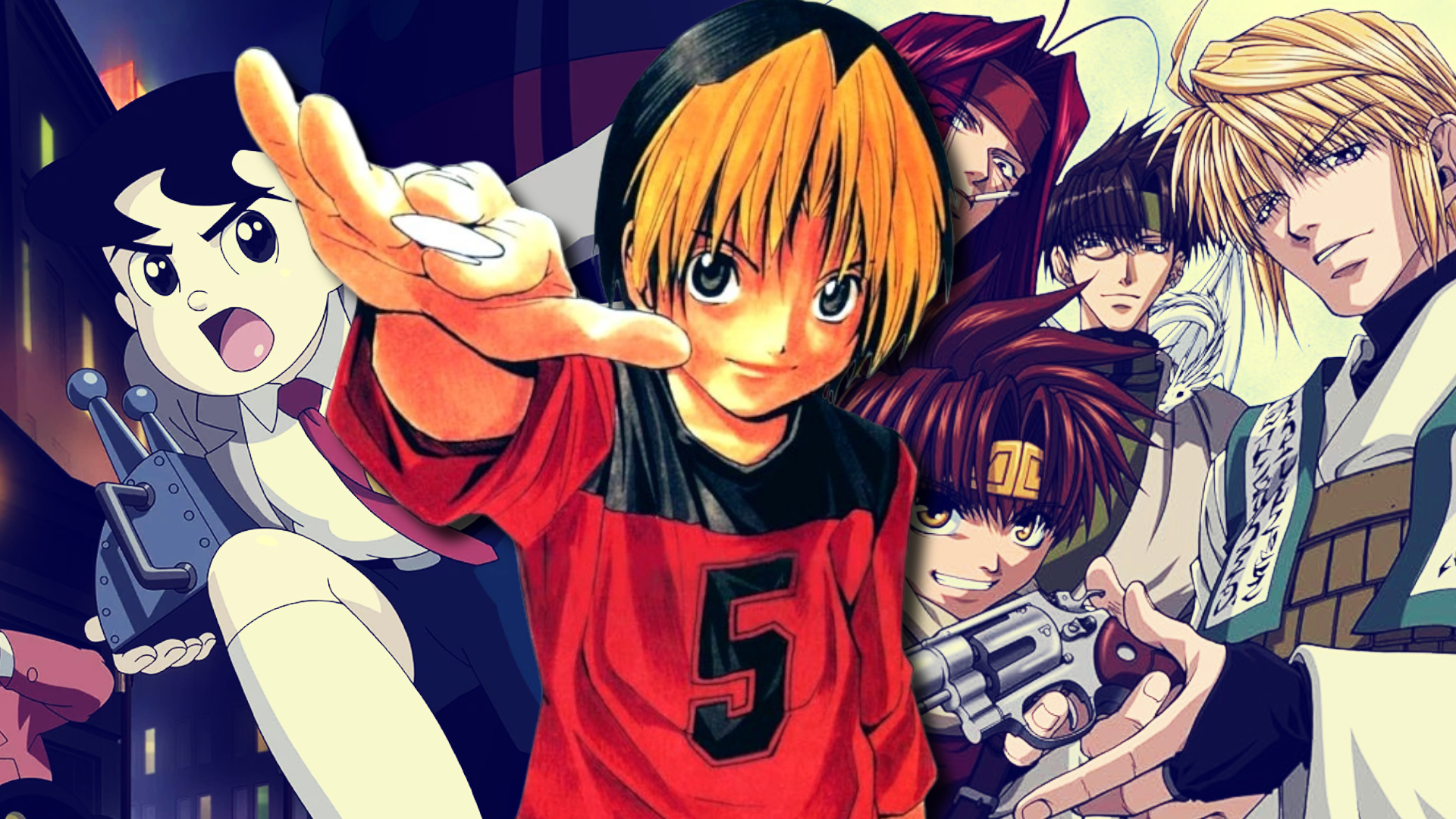
 Hikaru no Go Tetsujin 28 and Saiyuki
 By
J.R. Waugh
Published Feb 14, 2026, 11:50 PM EST
An experienced Editor representing Canada via Screen Rant's Team Anime, J.R. has been reading manga since the first printing of Shonen Jump in North America. This passion drove him to write about anime, manga, and manhwa since 2022, having recently served as Lead Anime Editor for ComicBook.com.
His favorite moments in media coverage include reviewing the series premieres of Zom 100 and Bleach: TYBW Part 2 back-to-back and briefly meeting Junji Ito at a VIZ gallery event in 2023.
Sign in to your ScreenRant account
Add Us On
follow
Follow
followed
Followed
Like
Like
Thread
Log in
Here is a fact-based summary of the story contents:
Try something different:
Show me the facts
Explain it like I’m 5
Give me a lighthearted recap
By
J.R. Waugh
Published Feb 14, 2026, 11:50 PM EST
An experienced Editor representing Canada via Screen Rant's Team Anime, J.R. has been reading manga since the first printing of Shonen Jump in North America. This passion drove him to write about anime, manga, and manhwa since 2022, having recently served as Lead Anime Editor for ComicBook.com.
His favorite moments in media coverage include reviewing the series premieres of Zom 100 and Bleach: TYBW Part 2 back-to-back and briefly meeting Junji Ito at a VIZ gallery event in 2023.
Sign in to your ScreenRant account
Add Us On
follow
Follow
followed
Followed
Like
Like
Thread
Log in
Here is a fact-based summary of the story contents:
Try something different:
Show me the facts
Explain it like I’m 5
Give me a lighthearted recap
One of the most formative experiences for anime fans is what aired during their childhood. For many aging millennials and Gen Z viewers, the anime programming of 2000-2009 was a phenomenal grab-bag of iconic hits, forgettable mishaps, and puzzlingly, forgotten gems. While some are due to their impact no longer being felt, others are criminally underappreciated for multiple reasons.
Still, these ranked among the last years in which anime was predominantly seen either through OVAs, television, or movies. While Toonami or Funimation often accounted for many successes like Black Cat or Paradise Kiss, others have perhaps become less recognized yet equally appreciated. Not every '00s anime could become Naruto in terms of popularity, but their quality spoke volumes.
10 Rune Soldier
Animated by J.C.Staff
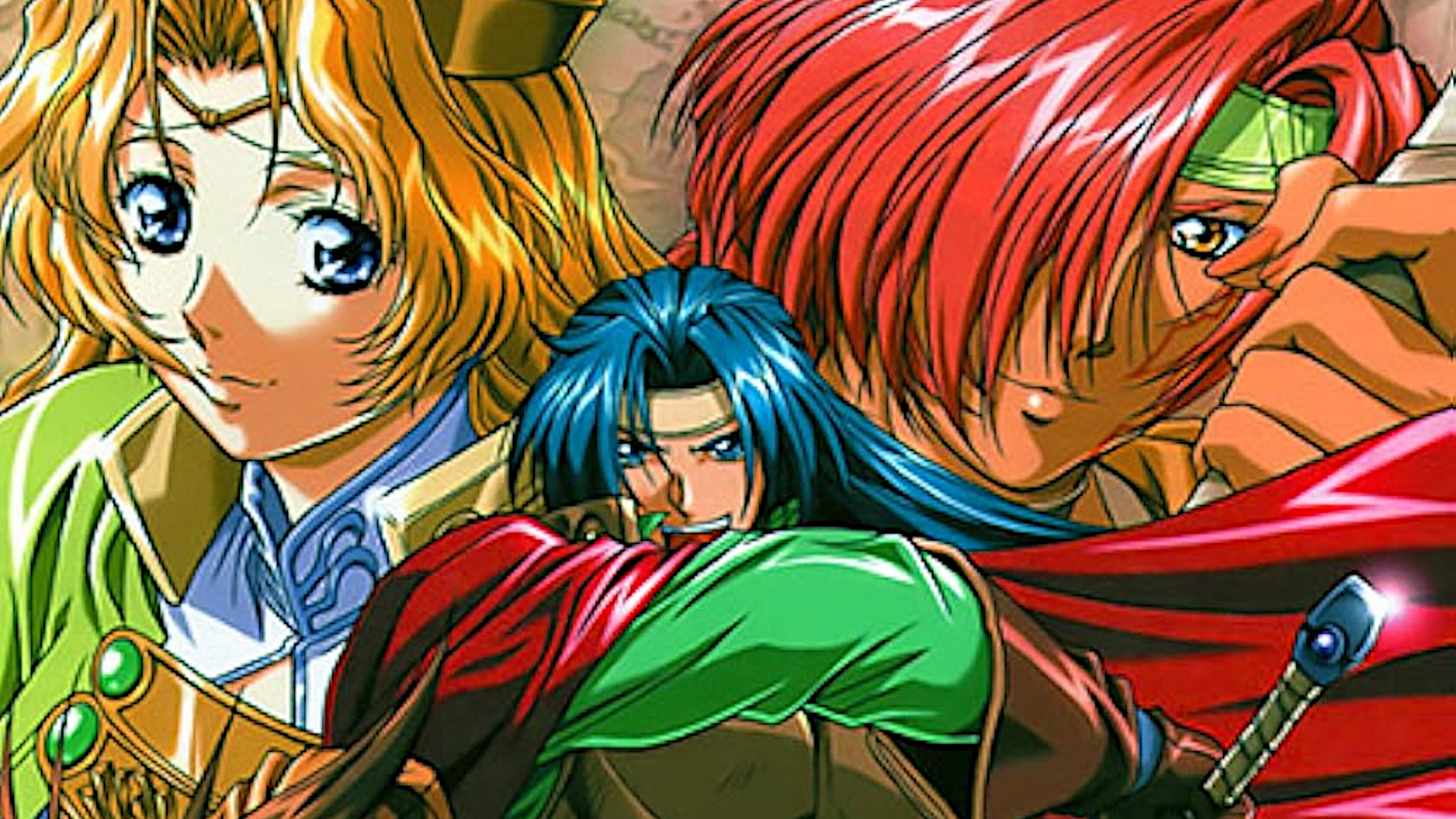 Rune Soldier anime poster
Much like its sibling series and untouchable '90s hit Record of Lodoss War, Rune Soldier is heavily influenced by classic tabletop RPGs, similarly taking place in Sword World RPG's Forcelia yet knowingly far less serious than Lodoss. Set on the Alecrest continent, the series mixes in comedic shenanigans with more typical fantasy conventions.
Starring Louie, a magically-inept himbo and early predecessor to magicless fantasy protagonists like Mash Burnedead and Asta, Rune Soldier is a great palate cleanser by Lodoss writer Ryo Mizuno utterly lampoon its own tropes. It feels like the comedy of errors found in roleplaying sessions between the closest of friends, and its character-driven stories are the true draw.
9 UFO Baby
Animated by J.C.Staff
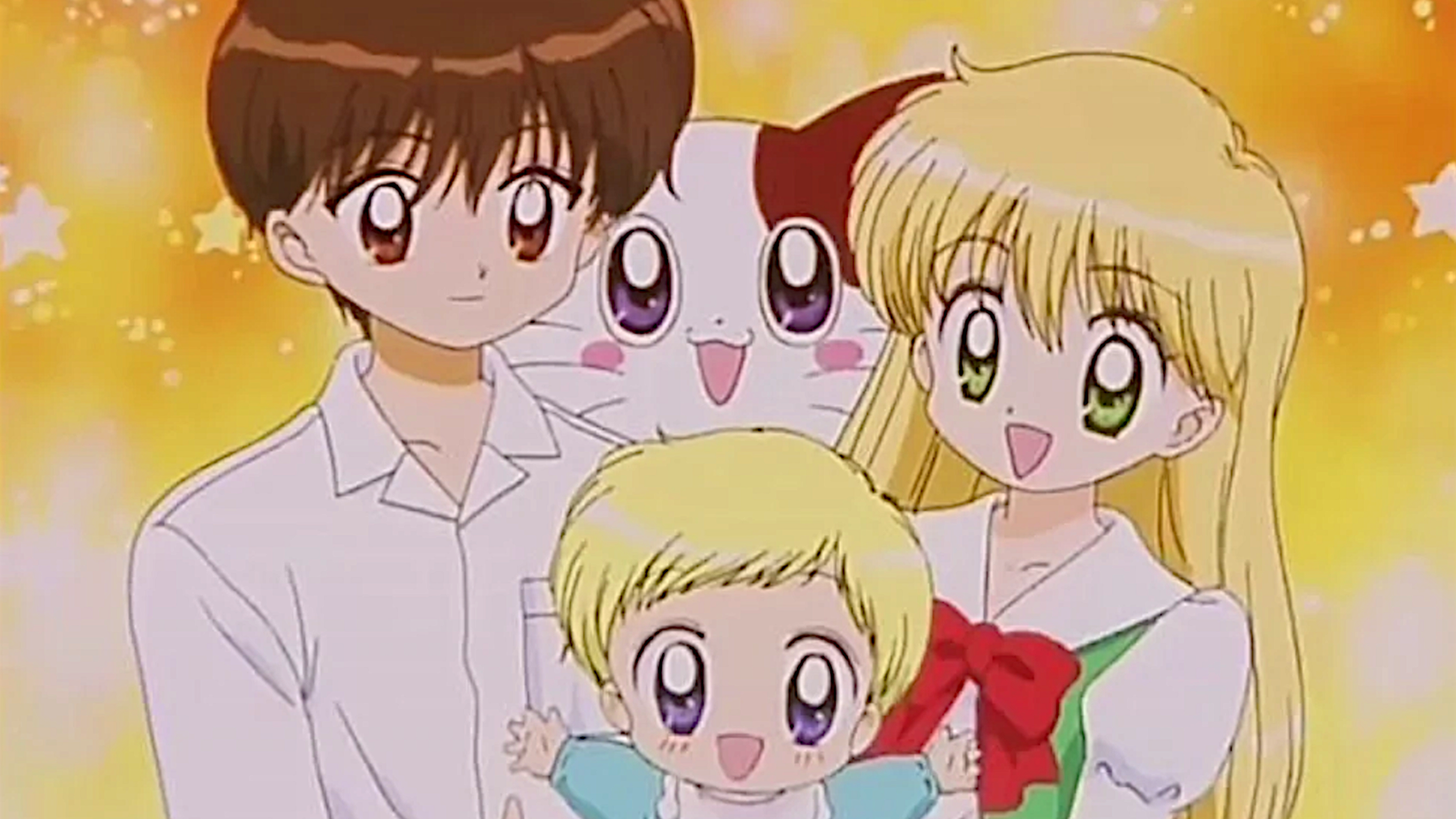 UFO Baby family
While plenty of people look to the '90s for Sailor Moon or the 2010s for the newer Fruits Basket anime, with these alone being an offensively brief pair of examples, the '00s were an incredible shōjo decade. One noteworthy sci-fi comedy that came out of Spring 2000 is a wholesome-yet-chaotic slice-of-life comedy featuring a UFO crash-landing with an onboard baby.
UFO Baby stars Miyu Kouzuki opposite Kanata Saionji, whose parents leave for the United States and India respectively, them suddenly stuck playing house with an extraterrestrial esper baby, Ruu, and his "sitterpet" Wannya. The two aliens cause adorable mayhem for Miyu and Kanata, Ruu even dubbing them mom and dad, creating hilarious episodic situations and classic found family antics.
8 s.CRY.ed
Animated by Sunrise
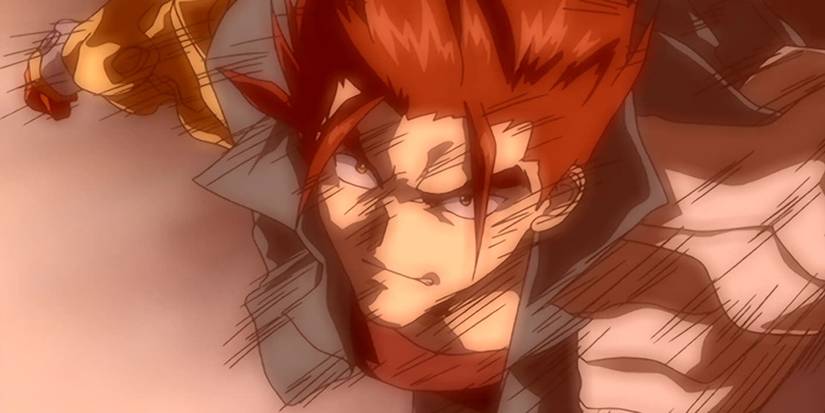 s-cry-ed's kazuma
When not creating bonkers mecha isekai anime, Sunrise was indeed producing other beloved, yet underrated sci-fi adventures. In the case of s.CRY.ed, also known as s-CRY-ed or Scryed and universally feared by search engine optimization, it carries much of the classic Sunrise charm, being visually stunning and having action-packed animation.
With its central gimmick being a strange phenomenon granting powers to a small portion of Kanagawa Prefecture's population, known as Alters, s.CRY.ed has a surprisingly underrated power system. This includes its central rivalry between protagonist Kazuma Torisuna and his "Shell Bullet" alloy-type transformative Alter which envelops him, and Ryūhō Ryu's "Zetsuei", a humanoid defender created from his tragically deceased doberman.
7 Magical Girl Lyrical Nanoha
Animated by Seven Arcs
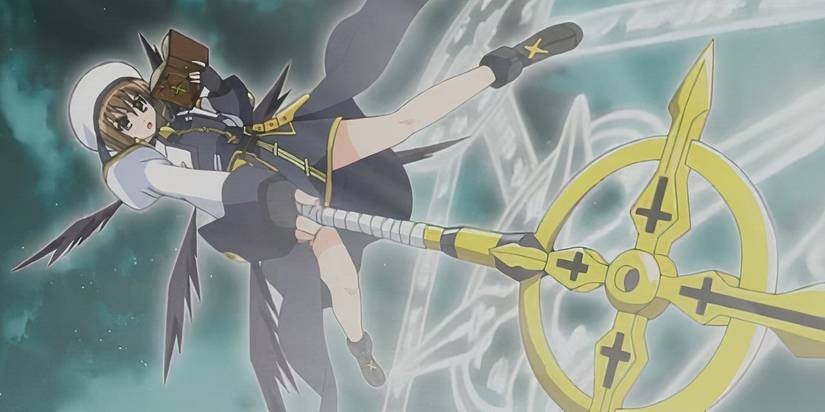 Magical-Girl-Lyrical-Nanoha-Strikers-Hayate-Magic
While being subversive of magical girl tropes much like Puella Magi Madoka Magica, Magical Girl Lyrical Nanoha is certainly more of an earnest, optimistic viewing experience overall, handily predating its darker counterpart. Introducing fans to Nanoha Takamachi, a nine-year-old schoolgirl recruited by shapeshifting mage Yūno Scrya to gather 21 esoteric Jewel Seeds, while discovering their destructive potential.
With Nanoha being granted the "Raising Heart", an Intelligent Device functioning as her magic wand (a genre staple), the premise pivots away from Cardcaptor Sakura territory, opting for frenetic science-fantasy plotlines soon enough. It's a broadly engaging viewing experience, and a far cry from Nanoha's visual novel roots in Triangle Heart.
6 Saiyuki
Animated by Studio Pierrot

A series with roots in shōnen manga before ultimately becoming an Ichijinsha-branded josei poster child, Kazuya Minekura's Saiyuki starts as a journey to the far west. More specifically, it's a direct homage to Journey to the West, sticking more loyally to the formula than other classics like Dragon Ball yet boasting a pretty great central character group.
The series follows Genjo Sanzo, Son Goku, Sha Gojyo, and Cho Hakkai as they travel to Tenjiku while braving the demonic science-fantasy threats ahead of them, with the group trying to prevent the awakening of powerful ox-demon Gyumao. Together, Sanzo's group must bring back the delicate balance of humans and demons in this underrated hit with multiple seasons to enjoy.
5 Yumeiro Patissiere
Animated by Studio Hibari
 Ichigo and her fellow students in Yumeiro Patissiere
The epitome of saccharine cooking anime, Yumeiro Patissiere brings shōjo charm with its main character, Ichigo Amano, and her extraordinary sense of taste. Ichigo simply wants to recreate her grandmother's greatest treats while herself becoming a pastry chef, enrolling at the prestigious St. Marie Academy at the behest of Henri Lucas, who witnesses her talents firsthand.
Featuring a grounded premise yet sprinkling in some "Sweets Spirits" to add a little supernatural spice, Yumeiro Patissiere is an underrated gem of an anime worth following Ichigo's character growth as she aspires to compete in the Cake Grand Prix and beyond.
4 Guyver: The Bioboosted Armor
Animated by OLM

While itself being an occasionally underappreciated remake of a certified 1989 banger OVA run, Guyver: The Bioboosted Armor brought the thrills of other 2000s seinen anime like Gantz, along with its own body horror twist, while leaving viewers hungry for more. So hungry, in fact, that fans have gone 20 years since this 2005 anime with no new projects in sight.
The shady Chronos Corporation may have dark ambitions for the world, deploying their monstrous bioengineered thugs while ultimately having prized assets stolen by them, the Guyver units. With one being found by Shō Fukamachi, Shō soon activates it by accident, discovering it creates a symbiotic armor he slowly adapts to, as Chronos threatens him, his friends, and the world.
3 Golgo 13
Animated by The Answer Studio
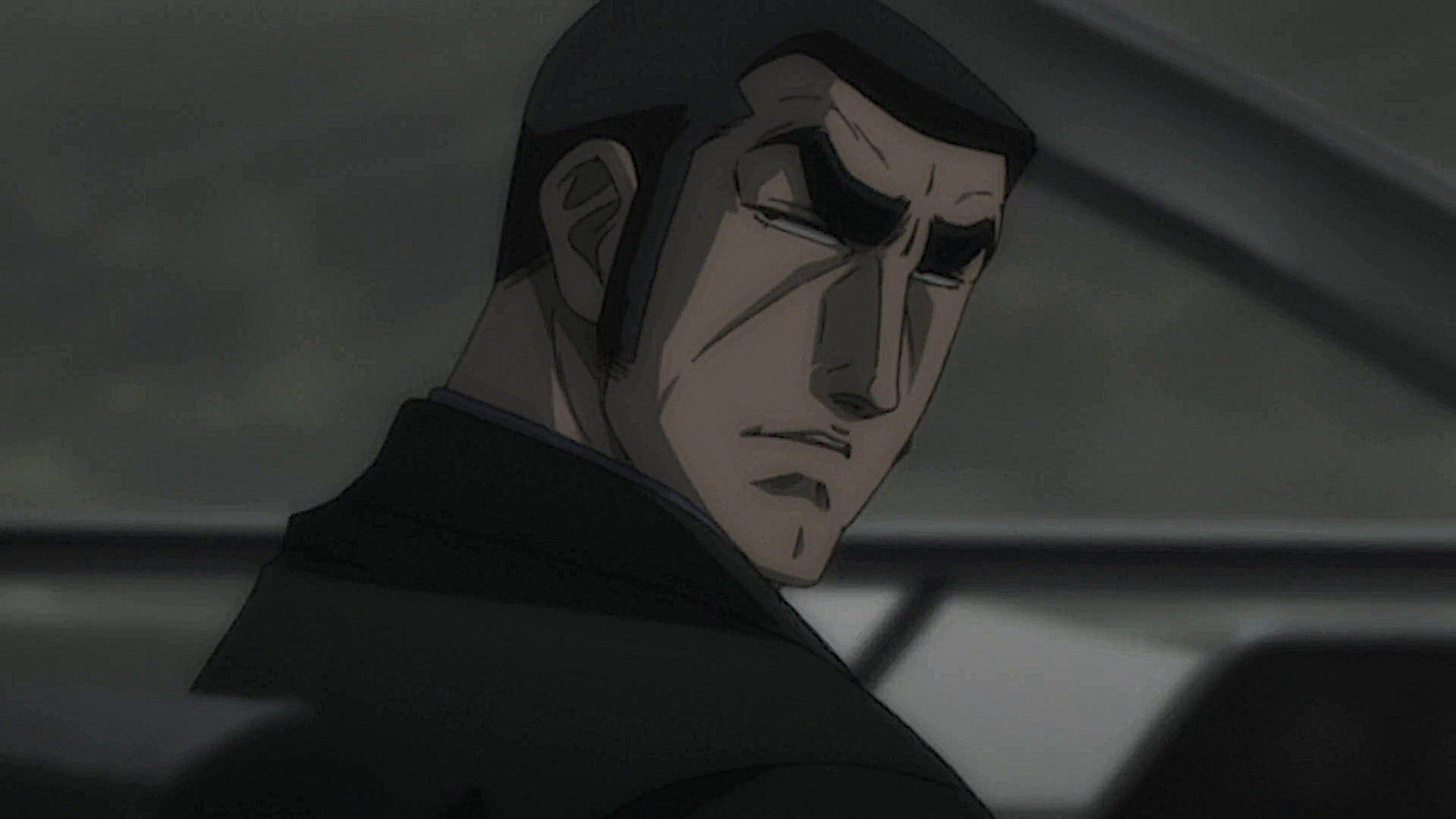 Golgo 13 in episode 31
Golgo 13's 2008 anime is not forgotten by virtue of being forgettable or even bad. It's entirely a matter of accessibility, as its streaming presence is virtually nonexistent outside of Japan, and its Sentai Filmworks Blu-ray release being out-of-print, causing resellers to price it into oblivion.
It's a shame, too, as while Golgo 13 isn't by any means a far-reaching neo-noir serial narrative, its episodic structure is tight, engaging, and often deeply clever. Featuring the titular protagonist, aka Duke Togo, the series brings Golgo 13's post-9/11 incarnation, a ruthlessly efficient assassin with superhuman marksmanship who always gets his kill, perfect for 007 and Punisher fans like.
2 Tetsujin 28
Animated by Genco & Palm Studio
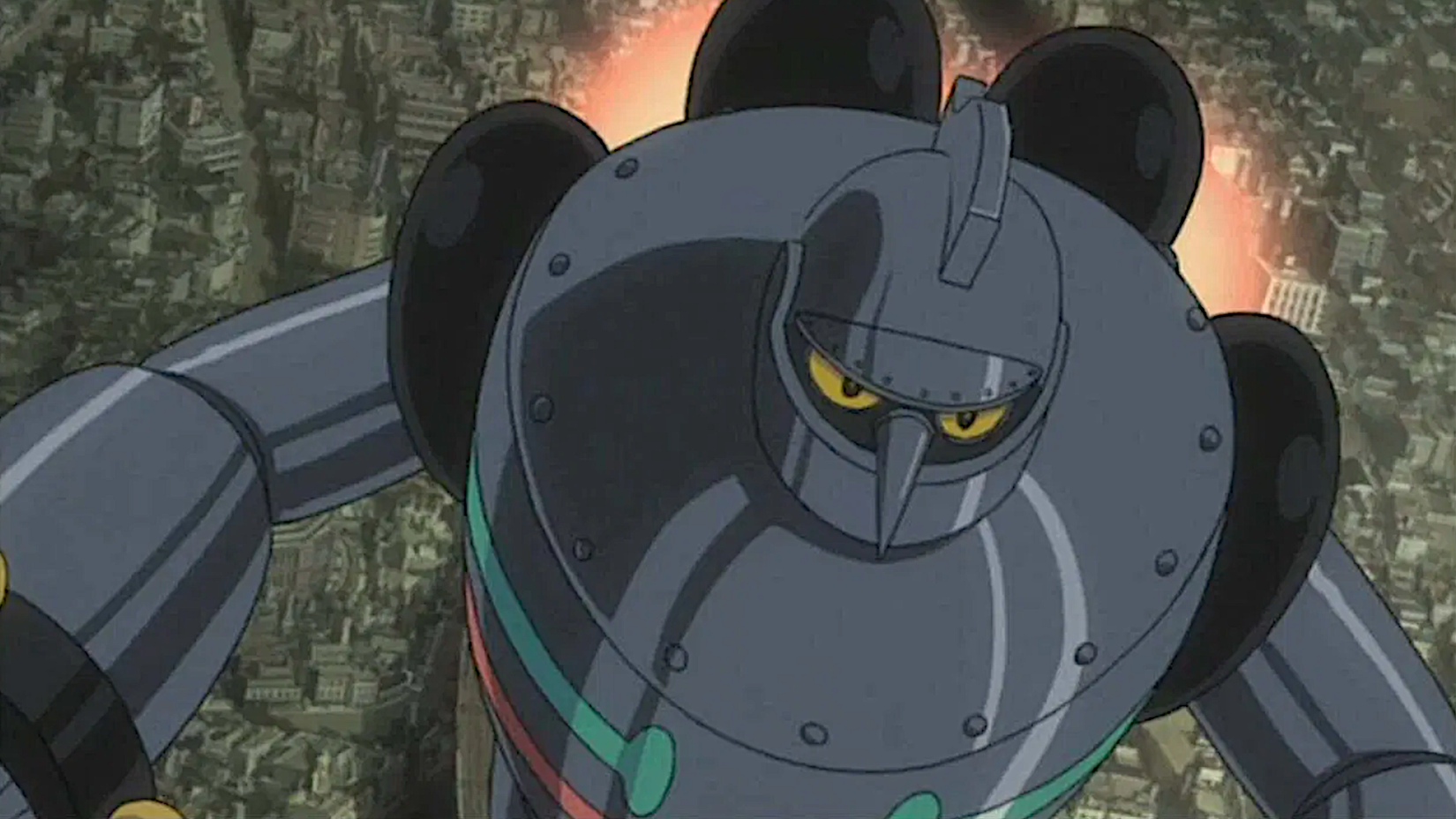 Tetsujin 28
A groundbreaking mecha anime on multiple fronts, 2004's Tetsujin 28-go honors the 1956 classic manga's legacy, while injecting enough intrigue into the plot to keep it fresh. Set 10 years after WWII, protagonist Shotaro Kaneda develops a strong emotional connection with the eponymous robot, originally conceived as a tool to fight in the war, lacking purpose in the postwar period.
Screen Rant Report: Subscribe and never miss what matters
Dive into the world of movies and TV shows with Screen Rant, your source for news, reviews, and exclusive content. Subscribe By subscribing, you agree to receive newsletter and marketing emails, and accept our Terms of Use and Privacy Policy. You can unsubscribe anytime.Tetsujin 28 is an accessible modernization of a mecha classic, retaining much of the original charm thus making it a solid recommendation for mecha buffs wanting to appreciate its earliest manga and anime roots, unfortunate associations with its protagonist and anime tropes aside.
1 Hikaru no Go
Animated by Studio Pierrot
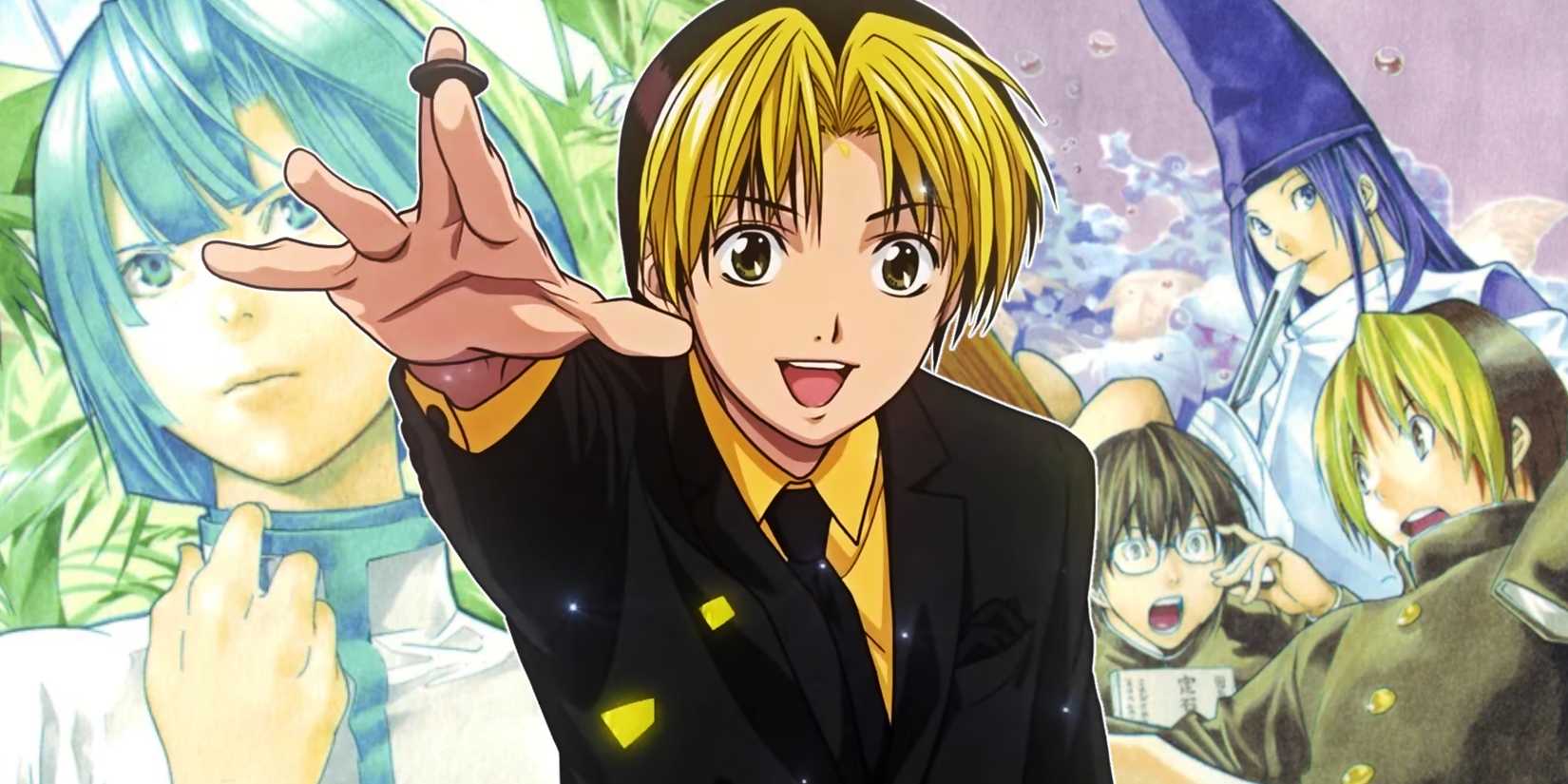 Hikaru Shindo from Hikaru no Go anime and manga art featuring Sai and Akira ToyaCustom image by J.R. Waugh and Merlyn De Souza
While once responsible for creating a whole new generation of youths interested in the ancient board game of Go, Hikaru no Go doesn't enjoy the same prominence among modern viewers. Its high-quality experience lies in its 75-episode rendition of much of Yumi Hotta and Takeshi Obata's Shonen Jump masterpiece, staying loyal to its grounded, satisfying story.
Following Hikaru Shindo as he finds a haunted Go board in his grandfather's shed, Hikaru soon becomes inhabited by its dormant spirit, Fujiwara-no-Sai of the Heian period. Sai, a Go teacher who once also inhabited a fictionalized Hon'inbō Shūsaku, strives to perform the Divine Move, pushing Hikaru to play Go despite the boy not being interested in the slightest.
Yet, as Hikaru develops a taste for the cerebral thrills the game can provide while playing on Sai's behalf, he soon finds purpose in life as the game consumes him, wishing to meet Sai's level while playing a delicate balancing act with the teacher. This lands Hikaru in trouble, even putting him in the crosshairs of generational talents in the game.
Hikaru no Go is a masterpiece anime which, while not extravagantly animated, it charts Hikaru's most crucial moments beautifully. It's full of powerful character development eager to let supporting characters flourish, and features one of the most emotional finales in all anime. It can't be overstated how influential this anime once was, but for modern viewers, it's often tragically overlooked.

Hikaru no Go
10 stars 9 stars 8 stars 7 stars 6 stars 5 stars 4 stars 3 stars 2 stars 1 star Like Follow Followed TV-G Animation Drama Fantasy Release Date 2001 - 2003-00-00Cast
See All-
 Satsuki Yukino
Ichikawa-san
Satsuki Yukino
Ichikawa-san
-
Tomoko Kawakami
Hikaru Shindō
-
Susumu Chiba
Fujiwara no Sai
-
Sanae Kobayashi
Akira Toya
 Expand
Collapse
Expand
Collapse
-
 Anime
Anime
-
 Hikaru no Go
-
 Saiyuki
Screen Rant Report: Subscribe and never miss what matters
Dive into the world of movies and TV shows with Screen Rant, your source for news, reviews, and exclusive content. Subscribe By subscribing, you agree to receive newsletter and marketing emails, and accept our Terms of Use and Privacy Policy. You can unsubscribe anytime. Trending Now Every Major Character in Jujutsu Kaisen's Culling Game, Ranked From Weakest to Strongest
 10 Best Anime You Can’t Stream Anywhere in 2026
 All 4 Of One Piece’s Gear 5 Users, Ranked From Least To Most Powerful
